
Steal Brainrot Craft
AnnARole Playing
4.219.00 Reviews
- Version
- 1.30.2
- Installs
- 1.00M
- Age Rating
- Everyone
Screenshots
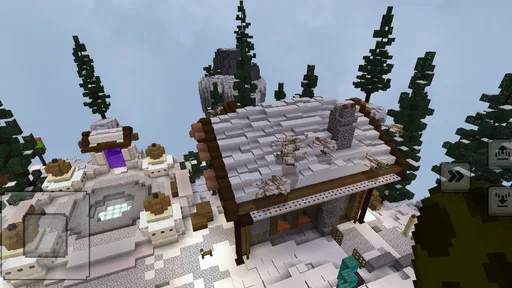
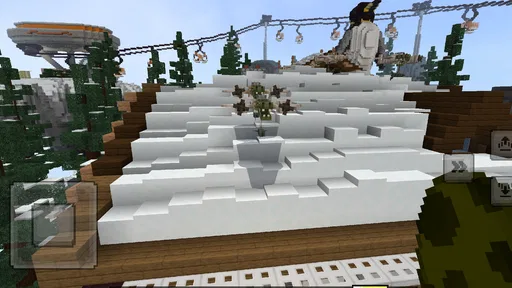
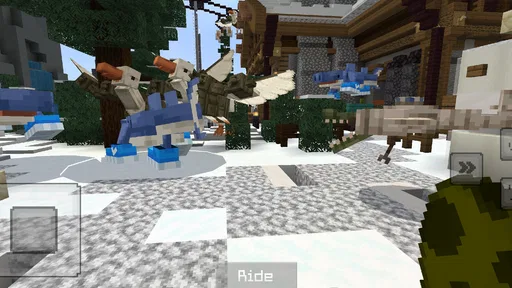

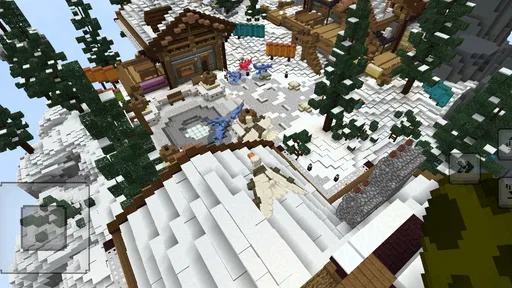
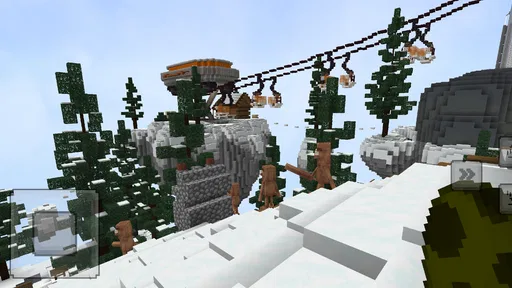
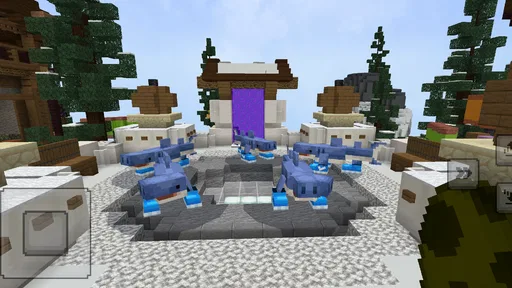
Our Review of Steal Brainrot Craft
 Analysis by Appyee
My first impression of Steal Brainrot Craft was that it wants to turn a familiar crafting-and-survival formula into something much lighter, stranger, and more immediately playful. The basic appeal is easy to understand: I gather materials, work toward a place of my own, deal with the pressure of staying supplied, and keep moving through a world built around viral brainrot humor. It is a role-playing game from AnnA, available free of charge, and its Everyone age rating makes it approachable for a broad audience.
What makes the game worth discussing is not simply the idea of collecting resources or building homes. The important question is whether each short session creates a satisfying chain of action, response, reward, and restart. In my experience, that is where this game either works very well or starts to feel repetitive, depending on what I want from a mobile RPG. It is not trying to replace a deep, story-heavy adventure. Instead, it focuses on a quick loop that can be picked up without much preparation.
How the first action sets up the whole session
The opening move in this kind of game is usually practical rather than dramatic: I look for useful materials, decide what deserves attention first, and begin shaping a safe base. That first decision matters because crafting is more enjoyable when resources have a visible purpose. A pile of materials feels far more meaningful when I know it will become part of a home, a tool, or the next step in keeping the run alive.
The home-building side gives the resource hunt a personal target. Instead of collecting everything without direction, I can think in terms of improving the place I return to. That creates a useful contrast between movement and preparation. I go out to gather, then come back with a reason for what I found. The process is simple, but it gives the game a clearer identity than a survival title based only on wandering.
The brainrot theme also changes the mood of that first action. The game does not present itself like a serious wilderness simulation. Its tone is deliberately internet-shaped and playful, which makes the act of collecting and crafting feel less solemn. I would recommend approaching it as a humorous, casual role-playing experience rather than expecting a realistic survival challenge.
One practical habit helped me enjoy the early loop more: I treated every trip away from the home as a small assignment. Rather than gathering randomly until my inventory felt full, I focused on one immediate construction goal and returned once I had enough material to make progress. This reduces the feeling of busywork and makes the next action obvious.
That approach is especially useful on a phone. Mobile sessions are often interrupted, so a clear goal is more valuable than a complicated plan. If I know that the next outing is about improving the home, the game remains easy to resume after a break. If I simply roam without a target, the same resource gathering can begin to feel directionless.
The feedback rhythm: gather, build, and see a result
The strongest part of the experience is the feedback rhythm between effort and visible change. Gathering is the action, crafting or building is the response, and the improved home becomes the reward I can see before starting another outing. That sequence gives ordinary materials a sense of momentum. I am not collecting for an abstract counter alone; I am collecting because the next improvement is close enough to imagine.
This rhythm is also where the game’s casual personality works best. The humorous theme keeps the process from feeling too heavy, while the survival framing gives the comedy a practical structure. I can enjoy the oddness of the world and still have a straightforward reason to keep gathering. The result is more approachable than a role-playing game that begins with a large skill tree, dense story, or long tutorial.
There is a trade-off, though. Players who need constant novelty may find the rhythm too predictable. Once the basic pattern becomes familiar, the pleasure depends on whether the next home improvement feels worthwhile. I found that the game is more satisfying when I set my own small milestones instead of waiting for every activity to provide a major surprise.
A useful way to play is to alternate between outward and inward tasks. One short stretch can focus on gathering, followed by a building-focused stretch at home. This prevents the session from becoming an uninterrupted resource sweep. It also lets the home function as more than decoration: it becomes the point where the previous effort is converted into a visible sense of progress.
The game’s average rating of 4.2 from around 3.5 thousand ratings suggests that its accessible loop has connected with a sizeable group of players. I would not treat that number as proof that everyone will enjoy it, but it matches my impression that the game’s main strength is its immediate readability. You can understand what you are doing quickly, even if you later decide the repetition is not for you.
Why the reward feels better when the goal is personal
In many crafting games, the reward is a stronger tool or a larger base. Here, the home itself is an important part of the motivation. I get a clearer sense of ownership when improvements change the place I return to, even if the overall structure remains simple. That personal connection is what can turn a basic collection task into a reason to begin another session.
The reward is not only the finished object. It is also the reduced uncertainty that comes with preparation. When I have gathered enough and made a useful improvement, the next outing feels less like starting from nothing. That creates a gentle progression: each return home gives the following trip a little more purpose.
This is where I think the game suits younger players and casual players particularly well. The Everyone rating reflects its broad accessibility, and the design is easier to approach than a role-playing game built around complicated combat statistics or extensive dialogue. Someone who enjoys making a small space feel more complete may find more satisfaction here than someone looking for a large narrative campaign.
At the same time, I would not choose it as my first recommendation for a player who wants deep character customization, a carefully developed story, or a demanding tactical system. The appeal is in the repeatable activity loop and the playful setting. If those are not enough to hold attention, the free price does not remove the central issue: the game still needs to make each return feel worthwhile.
One non-obvious advantage of the home-focused structure is that it gives me a natural stopping point. I can end a session after completing a building goal instead of quitting in the middle of an unstructured expedition. That makes the game easier to fit around a commute, a short break, or a few minutes before bed. The best sessions are not necessarily the longest ones; they are the ones that finish with a clear result.
What happens when a session resets
The reset is the moment when the loop proves whether it has real pull. After gathering and improving the home, I need a reason to leave that progress behind temporarily and begin another run of actions. For me, that reason comes from having another practical target: more resources, another improvement, or a better-prepared return.
This reset is not a dramatic restart in the way a roguelike run might be. It is more like a routine that renews itself. I finish one small objective, reassess what I need next, and head back into the gathering phase. That structure makes the game comfortable to revisit, but it also means the motivation is gradual rather than explosive.
Players should therefore expect a game that rewards steady attention more than one-time completion. The question is not whether a single session delivers a huge event. The question is whether the next modest goal is appealing enough to bring me back. If I enjoy incremental construction, the reset feels natural. If I need a strong climax every time I play, it may feel underpowered.
I also found that resetting my own expectations improves the experience. The title and theme may suggest something chaotic, but the useful part of the loop is fairly grounded: collect, convert materials into progress, return, and choose the next task. I enjoyed it more when I stopped looking for a complicated hidden system and focused on making each cycle efficient and amusing.
For everyday use, I would play it in compact bursts. A realistic scenario would be opening the game during a short lunch break, choosing one resource objective, gathering until that objective is met, and using the remaining time to improve the home. That gives the session a beginning, middle, and ending without requiring a long uninterrupted commitment.
The current version is 1.30.2, and the game supports devices running Android 7.0 or later. That broad compatibility makes it easier to consider on older Android hardware, although the actual comfort of play will still depend on the phone’s performance and screen. I would check that the device handles the game comfortably before planning to use it as a regular daily title.
Where it stands beside other role-playing games
Compared with traditional mobile RPGs, this game places less emphasis on long conversations, elaborate combat progression, or collecting a large cast of characters. Its role-playing identity comes more from inhabiting a small survival-and-crafting routine. That makes it a better fit for players who want to do something with their hands immediately rather than read through a lengthy introduction.
Compared with a typical survival sandbox, the brainrot presentation gives it a more comedic and accessible tone. A serious survival game may offer more systems to master and a harsher sense of danger, while this title is easier to approach when I want resource gathering and building without treating every decision as a life-or-death simulation.
Compared with pure home-building games, it adds a reason to leave the construction area. The gathering and survival elements give the home a practical connection to the wider activity loop. I am not only arranging a space for appearance; I am also preparing for the next cycle. That connection is one of the game’s clearest strengths.
The compromise is depth. A specialist crafting sandbox may offer more detailed building options, and a conventional RPG may provide stronger character development. I would choose this game when I want a lighter middle ground: enough gathering and role-playing structure to create direction, but not so much complexity that I need to study systems before enjoying the first session.
The game has reached over one million installs, which helps explain why its simple premise has found an audience. Still, popularity does not change the type of experience it offers. I would not install it expecting a premium-length adventure. I would install it because the combination of crafting, home improvement, survival flavor, and viral humor sounds appealing for repeatable mobile play.
Small decisions that make the loop less repetitive
The first useful decision is to avoid treating the inventory as a goal by itself. Materials are most valuable when they are tied to a near-term improvement. I recommend deciding what the next home change should accomplish before leaving. That simple habit turns wandering into a planned trip and makes the return feel earned.
The second is to stop after a meaningful conversion of effort. If I have enough resources for a useful improvement, continuing to gather without a new purpose can weaken the session. Building the improvement immediately creates the feedback the loop needs. It also gives me a clean point from which to decide whether another outing sounds enjoyable.
The third is to use the humorous theme as part of the pacing rather than expecting it to carry the entire game. The brainrot style is most effective when it lightens the routine, but it cannot replace the satisfaction of progress. If the construction goal is clear, the tone adds charm. If the goal is vague, the jokes alone may not prevent repetition.
A fourth consideration is device and audience fit. The Everyone rating makes the game broadly approachable, but that does not mean every player will find the same value in it. I would suggest it to a younger player, a casual builder, or someone who likes short resource loops. I would steer a competitive RPG fan toward a deeper alternative if they want demanding combat, extensive progression, or a serious narrative.
My verdict on the action-to-reset loop
After spending time with it, I see Steal Brainrot Craft as a compact role-playing game built around a clear cycle: take action by gathering, receive feedback through crafting and home changes, enjoy the reward of visible preparation, then reset your plans and begin the next outing. That cycle is easy to understand and well suited to short mobile sessions.
Its limitations are equally clear. The experience can become repetitive if I do not create my own short-term goals, and it does not appear aimed at players who want the depth of a major RPG or the complexity of a full survival sandbox. The playful brainrot identity gives the game character, but the long-term appeal still depends on whether collecting and improving a home remains satisfying for me.
AnnA has made a free game that is easy to approach and simple to revisit. With an Everyone age rating, broad Android support, and a substantial audience, it is a reasonable choice for casual players who want crafting and survival flavor without a heavy commitment. My recommendation is straightforward: try it if the idea of turning small gathering trips into visible home progress sounds fun. Skip it if you need a strong story, intricate systems, or constant change. For the right player, the reason to start another session is pleasantly simple: there is always one more useful thing to bring home.
Verdict
Strengths of Steal Brainrot Craft
- Simple crafting system that is easy for younger players to understand.
- Bright visuals make the brainrot-themed world fun to explore.
- Short play sessions work well for casual mobile gaming.
- Collecting materials gives players a clear sense of progress.
- Offline play may be convenient when an internet connection is unavailable.
Limitations of Steal Brainrot Craft
- Gameplay can become repetitive after the main crafting loop is mastered.
- Some items may require considerable grinding to unlock.
- The brainrot theme may not appeal to players seeking a serious adventure.
- Touch controls can feel imprecise during faster interactions.
- Ads or in-app purchases may interrupt progress, depending on the version.
Similar Picks in This Category
View All
Hair Dye
CrazyLabs LTD4.4

Monster High™ Beauty Salon
CrazyLabs LTD4.5

Bus Simulator - Bus Games 3D
Jima Apps4.4

Flight Pilot: 3D Simulator
Wildlife Studios4.1


Super Stylist Fashion Makeover
CrazyLabs LTD4.4
Frequently Asked Questions
What is Steal Brainrot Craft?
Steal Brainrot Craft is a casual crafting and collection game built around a playful “brainrot” theme. Players typically explore the game world, gather materials, create or obtain unusual characters and items, and build up their collection. Its appeal comes from short activities, humorous designs, and progression that is easy to understand, making it suitable for players who prefer lighthearted gameplay rather than a complex strategy experience.
How do you play Steal Brainrot Craft?
The main gameplay loop involves moving through the available areas, collecting resources or brainrot-themed objects, crafting useful items, and improving your collection over time. Depending on the current version, players may also interact with other characters, unlock new content, or complete simple objectives. The controls are generally designed for mobile screens, so the game can be learned quickly even if you have not played similar crafting or collection games before.
Is Steal Brainrot Craft free to download and play?
Steal Brainrot Craft may be available as a free download, but players should check the official Google Play Store or Apple App Store listing for the exact pricing and purchase information in their region. Free games can include optional advertisements, in-app purchases, or paid items that speed up progress. Before downloading, review the store page carefully, especially if children may use the device or payment account.
Does Steal Brainrot Craft require an internet connection?
Whether Steal Brainrot Craft works fully offline depends on the version and the features included by its developer. Basic crafting or single-player activities may sometimes be available without a connection, while advertisements, cloud saving, updates, online events, or multiplayer-related features usually require internet access. It is best to launch the game once while connected and check which functions remain available after enabling airplane mode.
Is Steal Brainrot Craft safe for children?
Steal Brainrot Craft uses cartoon-style visuals and a humorous theme, but parents should still inspect the official age rating, privacy information, advertisements, and in-app purchase settings before allowing children to play. The term “brainrot” refers to internet-inspired humor and may not appeal to every family. Enabling parental controls and requiring authentication for purchases can help prevent accidental spending while keeping the experience more manageable.
Play our best games!


